My Journey with the Greek Language: Teaching, Learning, and Connection
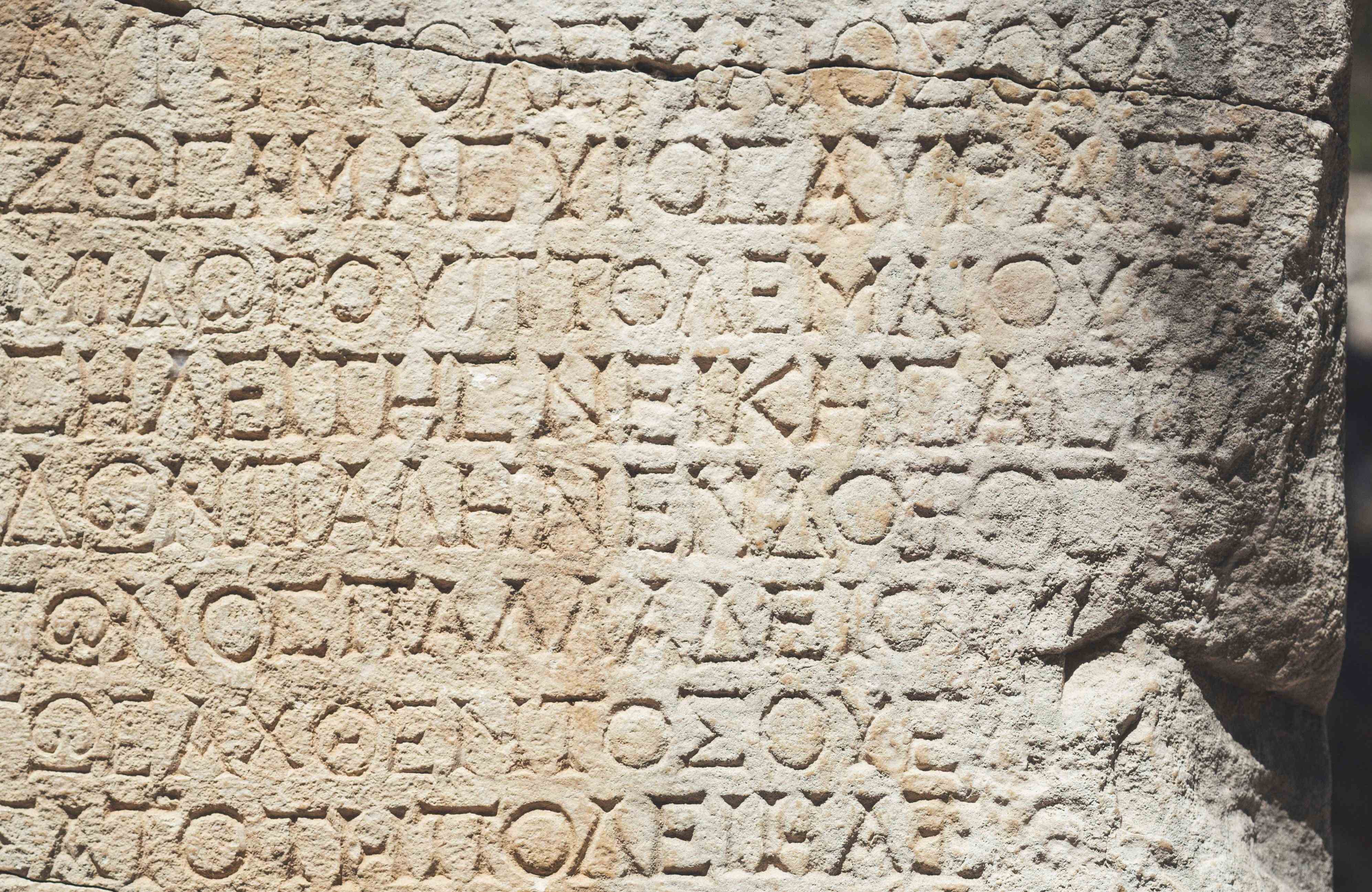
Today (9th of February) is International Greek Language Day. There are many things that could be said about the historical and cultural significance of the Greek language, a language that spans across so many centuries and eras. In this article, I would like to share my own thoughts and feelings, being a native Greek, having studied Greek language, and teaching it to foreigners from all over the world.
Language as Identity
We are born and raised, each of us, in a container of culture and language. The words and expressions we hear all around us, and that we gradually use, shape our perception of the world. Inside language and speech, our own individuality and human self is created, in order to position ourselves towards the world and other people. This is why a poem can touch us so deeply, and this is why some words from loved ones can stay with us for many years. We employ language to express our own self back. When we are talking about a language we learn later in life, we are opening a window to a different understanding of the world. This can be deeply interesting and nourishing, and can make us more open-minded, understanding, and appreciative of cultural differences. Last but not least, it helps us understand our own culture better.
This happened to me during the years that I lived in Germany. The aura and style of the German language was a distinct mode of thinking in my mind. And my own relationship with Greek culture was completely different before and after living abroad and coming into contact with the German language and culture. I saw things with fresh eyes, as they say.
Language as Journey
Learning a language, just like learning anything, is not a destination but a process. Students express their own emotions around this journey in many ways. Sometimes there is frustration because one is lacking the exact words to communicate something important. Sometimes there is disappointment because one makes a mistake that they believe they should have mastered already. Sometimes they get inspired by a Greek word and write a small poem, using their existing knowledge and online dictionaries. A student may translate an expression directly from their own native language into Greek, which may have interesting and funny results. A student may love the sound of one particular word. Many students laugh when they read an English word or name in Greek letters.
I observe all these reactions, and many more, and for me, this is charming and important. Inside learning, there is play, system, and emotion all at once. I feel moved when I think of all these people who allowed me to stand next to them while struggling for words, while testing and trying new things.
Language as Self-Expression and Relationship
Students of Greek often have strong motives to learn the language. It may be that they are living in, or thinking of moving to, Greece, and they want to participate in Greek everyday life. It may be that their partner, a friend, or an elder family member is Greek, and they want to bond with them in this way as well. Sometimes it is the love of Greek culture itself, from what they know from school or university (the culture of books, philosophy, art, and music). And sometimes they enjoy the interaction with the locals and want to cultivate it. In all these cases, language is employed as a means to come closer to something or someone meaningful and important.
This is the reason why I always stress the communicative aspect of the language while working with students, as opposed to error-free speech or possibly limited vocabulary in the first levels. I am trying to show them that there are many ways to communicate, many styles of chat or discussion. Students of Greek can feel the joy of connecting through language at any time and at any level.
Looking back at my own personal journey as a native Greek and teacher, I know I have learned so many things from students and with them, both as a teacher and as a person. And looking ahead, I am striving to become better and to continue expressing my own love for the Greek language and culture, while helping others find their own relationship with it.

Katerina Meleziadou